
Starting Daycare NZ: What to Expect and How to Prepare Your Child (2026 Guide)
Starting daycare NZ is one of the biggest milestones in early childhood. Whether your child is beginning daycare, kindergarten, or an early childhood centre in New Zealand, the transition can feel overwhelming for both parents and children.
As a New Zealand registered early childhood educator, I’ve supported hundreds of families through starting daycare in NZ. This guide will walk you through how to choose the right centre, what to expect during transition visits, and how to prepare your child for a smooth start.
Choosing the Right Daycare in NZ
When starting daycare NZ, the first step is choosing a centre that aligns with your child’s personality and needs.
Before researching centres, take time to reflect on your child:
-
Are they outdoorsy and drawn to nature?
-
Do they thrive in calm, quiet environments?
-
Are they confident in large groups?
-
Do they become overwhelmed by loud noise?
-
Do they prefer smaller groups and familiar faces?
Every child is different. Some flourish in busy, high-energy centres. Others feel safest in smaller, quieter environments.
Once you understand your child’s temperament, begin researching daycare and kindergarten options in your local area. Read their philosophies. Look at their website and social media. See whether their values align with what you want for your child.
Checking ERO Reports in New Zealand
All licensed early childhood centres in New Zealand are reviewed by the Education Review Office (ERO).
You can search any centre online and read their ERO report. These reviews assess:
-
Teaching quality
-
Learning environment
-
Health and safety
-
Leadership
-
Child wellbeing
-
Curriculum delivery
Reading ERO reports is an excellent way to gain insight into how a centre operates beyond its marketing material.
Booking a Visit
Once you’ve narrowed down your options, book visits.
When you visit:
-
Observe how teachers interact with children.
-
Notice how they respond to your child.
-
Pay attention to whether you feel welcomed.
-
Trust your instincts.
You know your child better than anyone. If a centre feels right to you, that matters.
Choosing a daycare in NZ is ultimately about finding the best fit for your child and your family.
Daycare Transition Visits in NZ: What to Expect
Most daycare centres in New Zealand offer transition visits before your child officially starts.
These usually begin with you staying at the centre with your child. Over time, visits gradually increase in length, and you may begin leaving for short periods.
Some centres include:
-
A sleep visit
-
A meal visit
-
Outdoor play sessions
This varies from centre to centre.
During this transition period:
-
Keep your phone on you.
-
Be prepared that the centre may call if your child is very unsettled.
-
Understand that some children need more transition visits, while others settle quickly.
There is no “right” number of visits. It depends entirely on your child.
What to Pack for Daycare in New Zealand
Every centre has slightly different requirements, so always check with your specific daycare provider.
Typically, children starting daycare NZ will need:
-
A school bag
-
Named drink bottle
-
Named hat
-
Multiple changes of clothes (tops, pants, underwear, socks)
-
Spare shoes
-
Warm jersey and weather-appropriate clothing
-
Nappies (if required)
-
Bottles and expressed breastmilk or formula
-
Lunchbox (if required)
-
Sunblock if using their own
-
Sleep sack or comfort items
-
Special cuddly toy if needed
It is always better to pack extra clothing than not enough.
The First Few Days of Starting Daycare NZ
If possible, try to begin transition visits one to two weeks before you return to work. This gives your child time to adjust without added pressure.
In the early days:
-
Keep your phone nearby.
-
Be available in case the centre needs you.
-
Stay consistent with drop-off routines.
Consistency builds security.
Keep drop-offs calm, confident, and positive. Even if you feel anxious, try not to show this to your child, as children are highly responsive to our emotions.
Let them know:
-
They are safe.
-
They are going to have a fun day.
-
You will always come back to pick them up.
Short, confident goodbyes are usually best.
Is Crying Normal When Starting Daycare NZ?
Yes.
Approximately 99 percent of children cry or show some distress when starting daycare in NZ. This is often the biggest transition they have experienced in their life so far.
Crying does not mean something is wrong with your child.
It does not mean you chose the wrong centre.
It does not mean they will never settle.
With consistency, familiarity, and strong relationships with teachers, most children adjust within a few weeks.
Teachers understand that this transition is just as emotional for parents as it is for children. Many centres use apps such as Storypark to keep you updated throughout the day, and you are always welcome to call and check in.
It does get easier.
Supporting Your Child Before Starting Daycare
One of the best ways to prepare your child for starting daycare NZ is building confidence and independence at home.
Simple daily play routines can support:
-
Language development
-
Emotional regulation
-
Social skills
-
Fine motor development
-
Confidence in new environments
Creating small, predictable routines at home helps children feel secure when entering new settings.
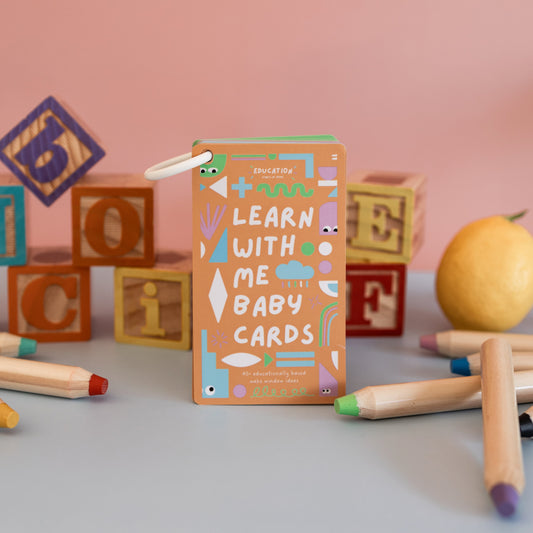
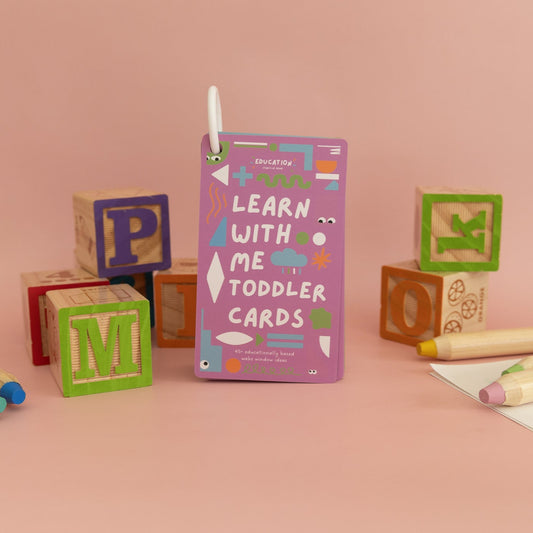
If you would like structured, stage-based play ideas designed by an early childhood expert, explore our activity cards here → [OPEN]
They are designed to make early learning simple, purposeful, and achievable at home.